
The most reassuring number on a homeowners insurance policy may also be the easiest to misunderstand. A large dwelling limit looks like protection. Whether it is enough depends on what rebuilding would cost, which event caused the damage, and how the policy calculates payment.
A renewal deserves more than a comparison of this year’s premium with last year’s. The useful question is what the household would still have to pay after a serious covered loss. That answer can change even when the policy’s headline limit looks adequate.
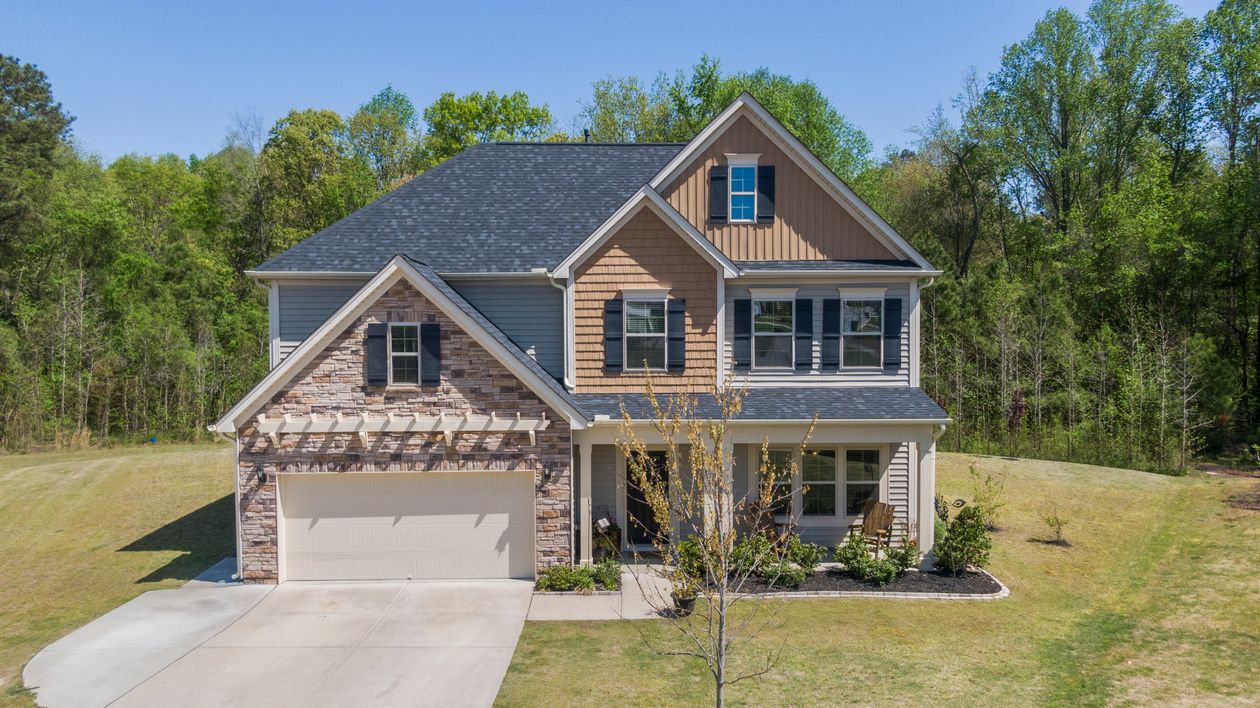
Three values, three different jobs
A home’s market value estimates what a buyer would pay for the property. It reflects the land and the local real-estate market. Replacement cost concerns rebuilding with materials of similar kind and quality. The dwelling limit is the amount of coverage listed in the policy, subject to its terms and any applicable extensions.
The National Association of Insurance Commissioners explains that replacement cost is different from market value. Neither the purchase price nor the mortgage balance automatically tells an owner how much rebuilding coverage is needed.
Consider a hypothetical home worth $300,000 on the sales market, with a $180,000 mortgage and an estimated $340,000 rebuilding cost. Those numbers are not contradictory. The lender’s outstanding balance measures a debt, the sales price measures a market transaction, and the rebuilding estimate measures a different task. This example is not a valuation of any particular property.
Ask the insurer or agent what information supports its estimate: floor area, construction, finishes, renovations, and local labor and material assumptions. Correcting an inaccurate description of the house is more useful than choosing a limit simply because it matches a familiar number.
Replacement cost still has conditions
Actual cash value coverage generally accounts for depreciation. Replacement cost coverage generally pays for comparable repair or replacement without that depreciation deduction, subject to policy provisions. An owner should check the treatment of the dwelling, roof, and personal belongings separately rather than assume they all receive the same settlement.
North Carolina insurance guidance explains that an insurer may initially pay actual cash value and reimburse recoverable depreciation after repair or replacement. Replacement cost does not mean every bill is unlimited or immediately payable. Ask about coverage limits, required repairs, claim documentation, deadlines, and whether part of a settlement is withheld until replacement work is completed. The answers should come from the policy and written clarification from the insurer, not an assumption based on a product name.
The North Carolina Department of Insurance describes optional endorsements that can modify coverage, including replacement-cost and inflation-related protections. It also advises owners to revisit their limits even when inflation protection is present. Endorsement terms, exclusions, and availability matter; an automatic adjustment is not a substitute for reviewing a major renovation.
Convert a percentage deductible into dollars
A $2,000 deductible is easy to recognize as a household expense. A 2% deductible can look smaller until the percentage’s base is identified. North Carolina insurance guidance notes that deductibles may be fixed amounts or percentages of dwelling coverage, with separate deductibles for some wind, hail, or named-storm losses.
For a hypothetical policy with $350,000 in dwelling coverage and a 2% deductible calculated on that limit, the deductible is $7,000. It is not 2% of the repair estimate. On a $20,000 covered loss, a simplified calculation would leave $13,000 for the insurer after that deductible, assuming no depreciation, exclusions, sublimits, or other adjustments.
A higher deductible may reduce the premium. That can be a reasonable tradeoff when the household can fund its retained risk. It is a different decision when a $7,000 expense would require borrowing or delay repairs. Compare premium savings with the actual dollars that must be available after a loss.
Identify the event before estimating the payment
Most homeowners policies do not cover flood damage, according to FEMA’s National Flood Insurance Program. Flood protection generally requires separate coverage. Owners should also ask about water backup and other water-related exclusions because similar-looking damage can arise from different causes.
The right discussion is specific: What would happen after a fire, windstorm, sewer backup, or rising floodwater? Which policy responds, what deductible applies, and where are the limits? Having a policy in force is not evidence that every event is covered.
For an owner renting out a property, the conversation must also include how the building is used. North Carolina’s guidance on dwelling policies describes coverage that differs from a standard homeowners package. A landlord should accurately disclose occupancy and rental use and confirm the form of coverage with the insurer.
Compare protection on the same basis
When comparing quotes, use the same dwelling limit, settlement method, deductibles, and important endorsements. Check personal-property limits and the provisions for temporary living expenses after a covered loss. A cheaper quote may represent a better price, less protection, or both; the premium alone cannot distinguish them.
Keep a current inventory and photographs of belongings, and store copies somewhere accessible if the home is damaged. Bring questions to the insurer or a licensed agent before renewal. A state insurance department can help explain consumer protections and complaint options when an answer is unclear.
The policy’s job is to transfer defined risks. The household’s job is to understand the risks it keeps. A useful review ends with an estimate of rebuilding needs, the main exclusions, and a clear dollar amount for the deductible—not simply reassurance that the house is insured.
Sources and reporting notes
Research checked November 16, 2026. Historical findings retain their original dates. Examples and calculations are hypothetical; interpretation is The Balanced Report’s analysis.
- National Association of Insurance Commissioners — actual cash value and replacement cost
- North Carolina Department of Insurance — replacement-cost settlement process
- North Carolina Department of Insurance — optional coverage and endorsements
- North Carolina Department of Insurance — deductible and coverage FAQs
- FEMA National Flood Insurance Program — flood insurance basics
- North Carolina Department of Insurance — dwelling policies

Leave a Reply